Creating a professional gallery wall is one of the most effective ways to transform a blank wall into a striking feature in your home. Whether you are displaying family photographs, travel memories, original artwork or contemporary prints, a well-designed gallery wall adds personality, warmth and sophistication to any space. The key is ensuring that your display feels curated rather than cluttered.
At Just Picture Framing Online, we believe that the right framing and layout can elevate even the simplest artwork into a beautiful interior feature. Here is our guide to creating a professional-looking gallery wall in your home.
Start With a Clear Vision
Before selecting frames or reaching for the hammer, take time to decide on the overall look you want to achieve.
Ask yourself:
- Do you prefer a modern, minimalist aesthetic?
- Would you like an eclectic, collected-over-time appearance?
- Are you showcasing family photographs, fine art prints, children's artwork or a combination?
Having a clear theme helps create cohesion throughout the display. Gallery walls often look most professional when the pieces share a common element, such as a colour palette, subject matter, frame style or mat colour. Even eclectic displays benefit from some unifying characteristics. Recent interior design advice suggests that cohesive colours, consistent spacing and a central visual theme help gallery walls appear intentional and polished rather than random.
Choose the Perfect Wall
Almost any room can benefit from a gallery wall, but some locations work particularly well.
Popular spaces include:
- Above a sofa in the living room
- Hallways and entranceways
- Staircases
- Above a bed
- Home offices
- Dining rooms
Large blank walls are ideal because they provide enough room for your arrangement to breathe. Interior designers recommend selecting a wall that naturally draws attention, allowing the gallery wall to become a focal point within the room.
Select Artwork That Reflects Your Personality
Professional gallery walls tell a story. Rather than filling the wall with random pieces, curate a collection that means something to you.
Consider including:
- Family photographs
- Landscape or travel photography
- Limited edition art prints
- Abstract artworks
- Children's artwork
- Vintage posters
- Typography prints
- Personal memorabilia
One of the biggest trends in gallery walls is incorporating meaningful and personal items alongside traditional framed art. Mixing photographs with sentimental pieces creates warmth and individuality within the home.
Aim for a mixture of sizes and orientations to complement your artwork. Combining portrait, landscape and square pieces adds visual interest while preventing the display from appearing too uniform.
Choose Frames That Complement Your Space
Framing plays an enormous role in creating a professional gallery wall.
There are generally two approaches:
Uniform Frames
Using matching frames throughout the display creates a sophisticated, modern appearance.
Black, white or natural timber frames are particularly popular because they work with most interiors.
Uniform frames are ideal for:
- Contemporary homes
- Minimalist interiors
- Family photo displays
- Black and white photography
Mixed Frames
Mixing frame styles can produce a more eclectic and collected aesthetic. Combining timber,
acrylic and decorative frames to a gallery adds character, provided there is still some consistency in colour, shape or matting.
A common recommendation among designers is to maintain at least one unifying feature throughout the gallery wall, such as frame colour or mat board style, to ensure the display remains cohesive.
Professional custom framing from Just Picture Framing Online ensures every piece is beautifully presented while protecting your treasured artwork for years to come.
Decide on Your Gallery Wall Layout
Planning the layout before hanging anything is essential. There are several popular gallery wall ideas to consider.
The Grid Layout:
A grid arrangement uses frames of
identical or similar sizes arranged in neat rows and columns.
Best for:
- Modern homes
- Formal spaces
- Photography collections
- Grid layouts provide a clean, organised appearance and are often the easiest arrangement for beginners.
The Central Anchor Layout
This layout features one large statement piece in the centre, surrounded by smaller artworks.
Best for:
- Above sofas
- Bedrooms
- Dining rooms
- The central artwork anchors the arrangement and creates balance across the display. Designers often recommend starting with the largest piece and building outward.
The Salon Style Layout
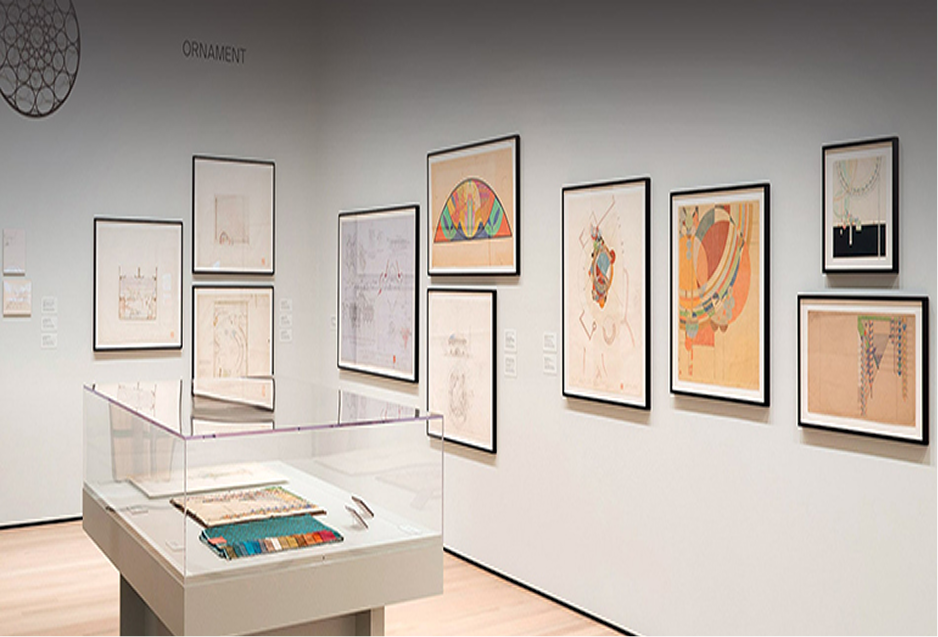
Inspired by traditional European galleries, salon-style walls feature a variety of artwork sizes arranged organically across the wall.
Best for:
- Eclectic interiors
- Staircases
- Feature walls
- This style feels personal and artistic while allowing you to continually add new pieces over time.
Linear Arrangements
A horizontal or vertical line of framed artwork creates a streamlined, contemporary appearance.
Best for:
- Hallways
- Narrow walls
- Above sideboards
- Linear arrangements are simple yet highly effective in modern homes.
Plan Before You Hang
One of the most common mistakes homeowners make is hanging artwork without testing the arrangement first.
Professional designers recommend laying all artwork on the floor before hanging. Alternatively, cut paper templates matching each frame size and tape them to the wall to experiment with positioning. This method allows you to make adjustments without damaging the wall.
When planning your layout:
- Begin with your largest piece.
- Work outward from the centre.
- Step back regularly to assess balance.
- Consider colour distribution throughout the arrangement.
Maintain Consistent Spacing
Consistent spacing is one of the easiest ways to create a professional finish. Most interior experts recommend leaving approximately 5–8 centimetres between frames for standard gallery walls. The exact distance is less important than ensuring spacing remains consistent throughout the display.
Artwork should also generally be centred at eye level, with the centre of the arrangement approximately 145–150 centimetres from the floor. Above furniture, leave around 15–20 centimetres between the furniture and the lowest frame to visually connect the pieces.
Add Depth and Texture
Professional gallery walls often include more than framed prints alone.
Consider incorporating:
- Oversized mats
- Canvas artwork
- Shadow box frames
- Mirrors
- Textile art
- Framed memorabilia
Combining various textures and mediums adds dimension and creates a more dynamic display. Recent design trends have embraced gallery walls featuring framed textiles, heirlooms and decorative objects alongside traditional art.
Create a Gallery Wall You'll Love for Years
The best gallery walls evolve over time. Don't feel pressured to complete everything at once. Continue collecting artwork, photographs and meaningful pieces that reflect your story and style.
At Just Picture Framing Online, we offer high-quality custom framing solutions to help you create a gallery wall that looks professionally designed while showcasing your favourite memories and artwork beautifully. Whether you prefer sleek contemporary frames or a more eclectic collection, the right framing makes all the difference.
Please reach out to us for further information.




Leave a Reply